Nest
Key takeaways
- Plan once a week, at the same time, before your main grocery run.
- Start with dinners only, then add breakfasts and lunches if it helps.
- Build your shopping list from the plan, not from memory.
- Keep a list of family favorites so planning gets faster every week.
Every evening, millions of families have the same conversation: what are we having for dinner? Without a plan, the answer is often whatever is quick, which usually means another trip to the store or more takeout. Weekly meal planning replaces seven small decisions with one short planning session.
The benefits of planning meals for the week
- Save money. You buy what you need instead of picking up extras every day.
- Waste less food. Ingredients are bought for specific meals, so less goes off in the fridge.
- Eat better. It is easier to balance the week when you can see all of it.
- Less stress. Nobody has to make a decision at 6pm when everyone is hungry.
- Share the cooking. When the plan is visible, anyone can pick up a night.
How to plan a week of family meals in 20 minutes
1. Check the week ahead
Look at the family calendar first. Late practices, work events and nights out change what you can realistically cook. Busy nights need quick meals or leftovers.
2. Plan dinners first
Dinners are where planning makes the biggest difference, so start there. If you are new to meal planning, plan five dinners and leave two nights flexible for leftovers or a treat.
3. Use a simple weekly rhythm
Themes make planning faster. For example: pasta on Monday, a one pan bake on Tuesday, stir fry on Wednesday, soup or baked potatoes on Thursday, homemade pizza on Friday. You only need to pick the specific dish.
4. Add breakfasts and lunches if they help
Many families keep breakfasts the same each week and only plan lunches for packed lunch days. Plan what saves you time, and skip what does not.
5. Turn the plan into a shopping list
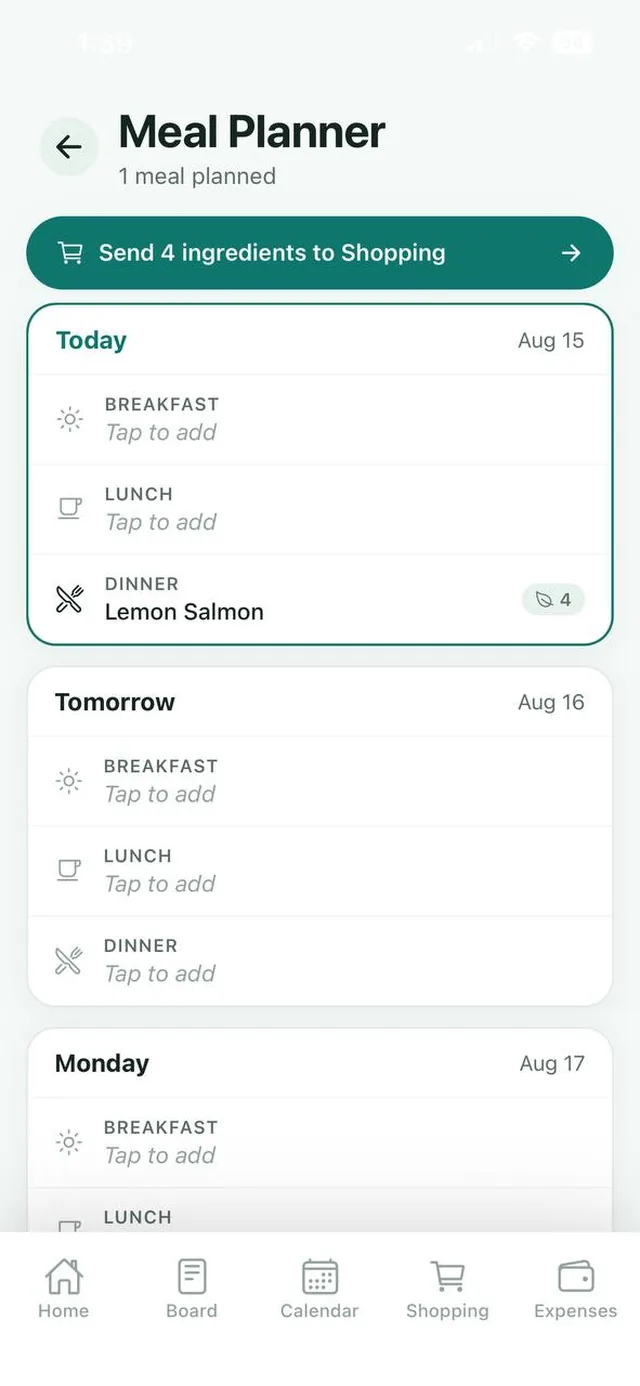
Go through each meal and list the ingredients you do not already have. This is the step that saves the most money, because you shop for the plan instead of guessing.
Build a family favorites list
Keep a running list of meals your family enjoys. When planning, pick from the list first and add one new recipe a week. Over time, planning takes minutes because the decisions are already made.
Getting the whole family involved
- Let each person choose one dinner a week.
- Assign a cook for each night so the work is shared.
- Ask older children to add ingredients to the shopping list.
- Share the plan where everyone can see it, so nobody asks what is for dinner.
Plan on the same day each week, ideally the day before your main grocery run. Consistency turns meal planning into a habit.
Meal planning mistakes to avoid
- Planning too many new recipes. Mix favorites with one or two new dishes.
- Ignoring the calendar. A slow cooked stew does not work on the night of a late practice.
- Forgetting leftovers. Plan a leftovers night to use up what is in the fridge.
- Keeping the plan on paper at home. It needs to be with you at the store.
Start this week
You do not need a perfect plan to get the benefits. Plan five dinners this weekend, build your shopping list from them, and see how much calmer the week feels.
Plan the grocery budget too
A meal plan is the easiest way to control what the week costs, because you buy for the plan instead of for the aisle. Once you have a plan, put a number on it.
- Pick a monthly amount for Groceries and a separate one for Eating out.
- Record each shop in Expenses. Nest tracks the month so far and compares it with last month.
- With Nest Premium, budgets alert the family at 80% and when they are passed, and start again on the 1st.
New to budgets? Read how to make a family budget.
Frequently asked questions
How do I start meal planning for my family?
Start by planning five dinners for the week, based on your family calendar and a list of favorite meals. Then write a shopping list from the ingredients those meals need.
Does meal planning save money?
Yes. Buying ingredients for planned meals reduces impulse buys, extra trips to the store and food waste.
What is the best app for family meal planning?
A good family meal planning app lets everyone see the plan and turns it into a shopping list. Nest does both: plan breakfast, lunch and dinner, then send the ingredients to a shared shopping list in one tap.